
Buying guide
What is high-quality avocado oil? A plain-English buying guide
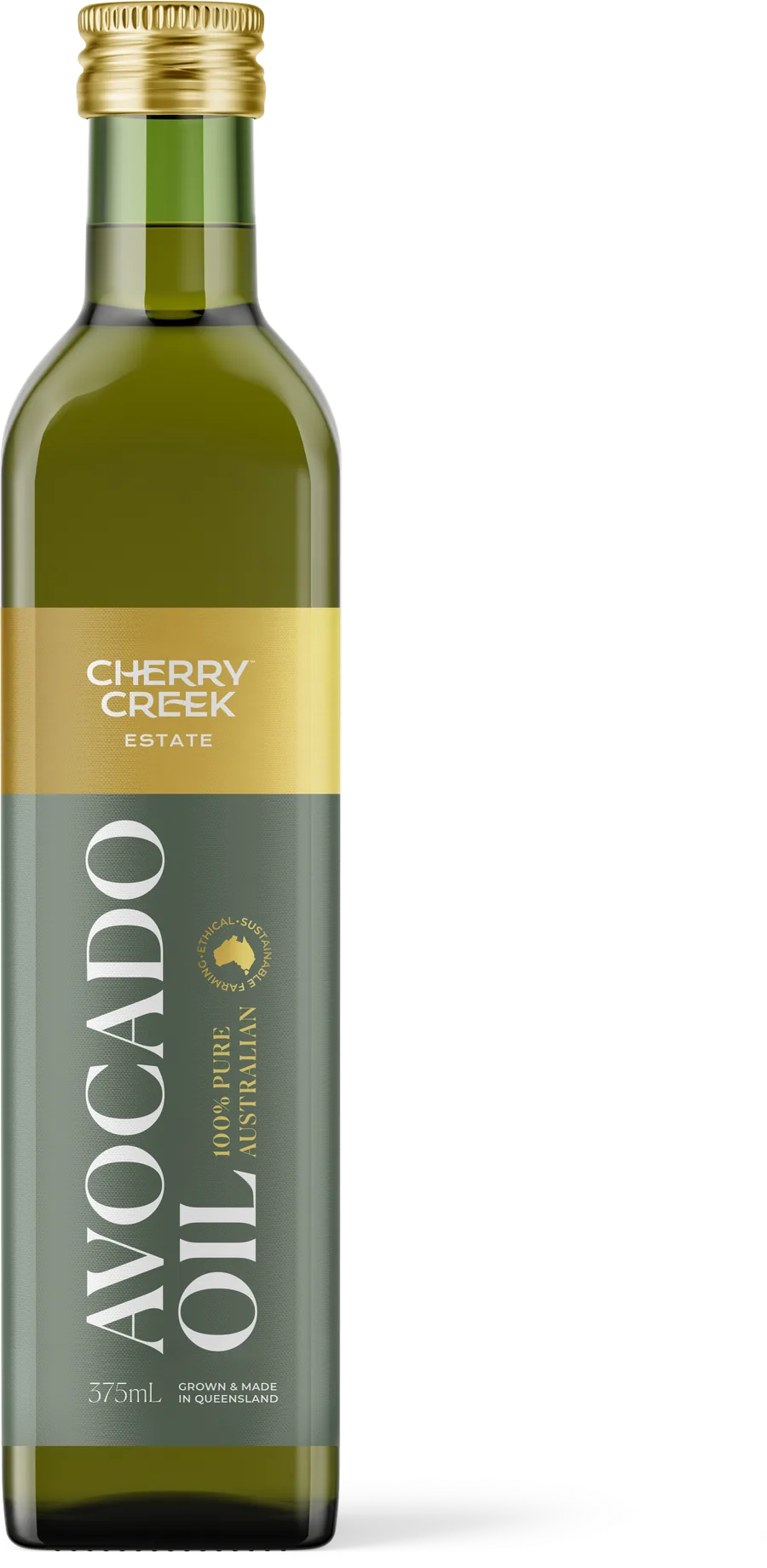
Avocado oil ranges from a vivid, buttery, fresh-pressed fruit oil to a pale industrial product that has been refined until almost nothing of the fruit remains. The bottle rarely announces which one it is. This guide gives you the working knowledge to tell the difference before you pay for it.
Start here: cold-pressed vs refined
The single most important line on an avocado oil label is how it was made.
- Cold-pressed (extra virgin) avocado oil is extracted mechanically from avocado flesh at controlled temperatures, without solvents. It keeps the fruit's colour, aroma, flavour and minor compounds such as vitamin E and carotenoids. This is the premium category.
- Refined avocado oil has been processed — typically with heat and filtration, sometimes with chemical steps — to strip colour, aroma and flavour. The result is a neutral, shelf-stable commodity oil. Useful, but not the product the price tag of "avocado oil" usually implies.
Neither is dishonest on its own. The problem is bottles that trade on the reputation of cold-pressed oil while containing something else. Which brings us to the visible clues.
Colour: green means the fruit is still in there
Cold-pressed avocado oil is green — sometimes strikingly, emerald green — because it retains chlorophyll and carotenoids from the flesh and skin of the fruit. Refined avocado oil is pale yellow to nearly clear, because refining removes those pigments.
So in a clear bottle, colour is a fast, honest signal: a rich green suggests a minimally processed oil; a pale straw colour suggests refining. One caveat — green fades as oil ages or is stored badly, so colour is a screening test, not a verdict.
Aroma and taste: the fresh-oil test
Once the bottle is open, your senses do the grading. Fresh, well-made avocado oil should smell and taste:
- Grassy and green — like avocado flesh, fresh-cut grass or artichoke.
- Buttery and smooth — a soft, rounded mouthfeel with no harshness.
- Clean — no mustiness, no crayon or play-dough note, no sour edge.
Those off-notes matter: research groups that have tested retail avocado oils — most prominently at the University of California, Davis — found a large share of samples were stale, oxidised or adulterated with cheaper oils. Rancid oil isn't dangerous in the acute sense, but it has lost exactly the freshness and delicate compounds you paid a premium for. If an oil smells like old crayons, it's done.
Packaging and dates: freshness you can check at the shelf
Oil has three enemies: light, heat and air. A serious producer packages against all three.
- Dark glass or well-designed opaque packaging protects the oil from light. Clear plastic on a bright shelf is a slow death sentence for delicate oil.
- A best-before date and, ideally, a harvest or pressing indication. Fresher is simply better; oil is not wine and does not improve.
- Sensible bottle sizes. An opened bottle should be used within a few months — a size you'll actually finish beats a bargain magnum going stale on the shelf.
At home, the same logic applies: cap it tightly, keep it in a cupboard away from the stove, and use it. Good oil is for cooking, not collecting.
Provenance: the strongest quality signal there is
Every clue above is a proxy for one underlying question: who made this, and from what fruit? Much of the world's avocado oil is blended from bulk oil of mixed origins, pressed from fruit of unknown condition, and bottled far from where it was grown. Every step of that anonymity is a place quality can quietly leak away.
Single-estate oil is the opposite arrangement. When the same operation grows the fruit, presses it and puts its name on the bottle, there is nowhere for quality problems to hide and no incentive to cut the oil with anything. That's the model we run at Cherry Creek Estate: our oil is cold-pressed from avocados grown on our own family estate in Queensland's South Burnett — one orchard, one press, one label, with the story told plainly on our story and quality pages.
The buyer's checklist
| Check | What you want to see |
|---|---|
| Extraction | "Cold-pressed" or "extra virgin" stated plainly. |
| Colour | Rich green (in unrefined oil), not pale straw. |
| Origin | A named country — better, a named farm or estate. |
| Packaging | Dark or protective bottle; light kept out. |
| Date | Best-before with plenty of runway; harvest info is a bonus. |
| Aroma (once open) | Grassy, buttery, clean — no crayon or sour notes. |
| Price logic | Genuinely cold-pressed single-origin oil costs more to make. A too-cheap "extra virgin" deserves suspicion. |
Put it to the test
The best way to calibrate your palate is to taste a known single-origin oil next to whatever is in your pantry — a spoonful of each, or two pieces of bread. The difference in aroma and butteriness is rarely subtle. Cherry Creek Estate extra virgin avocado oil is available on Amazon, and once it's open, our everyday recipes will make short work of the bottle.