
Health research
Avocado oil health benefits: what the research says
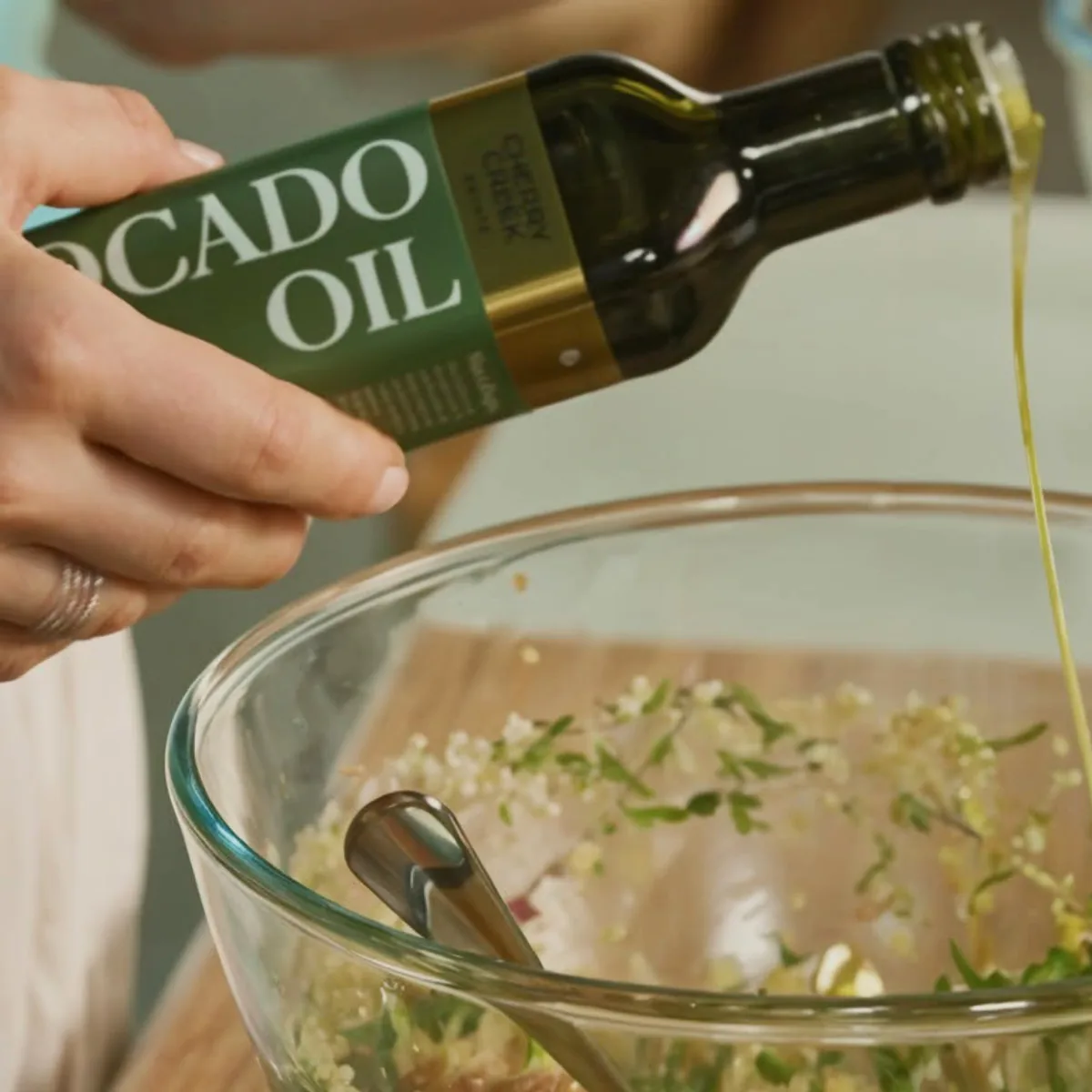
Avocado oil gets talked about in big claims. This article does the opposite: it walks through what avocado oil actually contains, what nutrition research has looked at, and where the honest limits of the evidence sit — in plain English, without medical promises.
What avocado oil is, nutritionally
Avocado oil is pressed from the flesh of the avocado fruit — not the seed. Like the fruit itself, the oil is composed mostly of monounsaturated fat, with the balance made up of polyunsaturated and saturated fats. Cold-pressed, unrefined avocado oil also carries some of the fruit's minor compounds, which can include vitamin E, carotenoids such as lutein, and plant sterols. Exact amounts vary with fruit variety, season, ripeness and how the oil is made, so the label on a specific product is always the reference point for that product.
Monounsaturated fat: the main story
The dominant fatty acid in avocado oil is oleic acid — the same monounsaturated fat that makes up most of olive oil. Monounsaturated fats are one of the most studied topics in nutrition science, and mainstream dietary guidance in Australia and internationally has long recommended favouring unsaturated fats over saturated fats as part of a balanced diet.
What that means in practice: replacing some saturated fat in your cooking with an oil high in monounsaturated fat is consistent with current dietary guidelines. Research in this area is generally about dietary patterns over time, not about any single food or bottle — so the fairest statement is that avocado oil can form part of the kind of eating pattern those guidelines describe, not that it delivers outcomes on its own.
Vitamin E and minor compounds
Cold-pressed avocado oil contains vitamin E, a fat-soluble antioxidant the body obtains from food. Unrefined oils generally retain more of these minor compounds than heavily refined oils, because refining strips out much of what isn't pure fat. Some research has also examined carotenoids like lutein in avocados and their oil; lutein is a pigment that accumulates in the human eye and is a regular subject of nutrition research.
The conservative reading: these compounds are present, they are legitimate reasons unrefined avocado oil is considered a quality fat, and their amounts vary between products. Anyone relying on specific nutrient intakes should check the nutrition panel of the product in their hand rather than a general article — including this one.
What research has actually looked at
A few honest observations about the state of the evidence:
- Most fat research is about fat types, not brands or single oils. The large body of evidence behind monounsaturated fats comes from studies of overall dietary patterns. Avocado oil benefits from that evidence as a monounsaturated-rich oil, but few large human trials have studied avocado oil specifically.
- Avocado research is broader than avocado oil research. Studies on whole avocados are sometimes quoted as if they were oil studies. The fruit contains fibre and other components the oil does not, so results don't transfer one-for-one.
- Early-stage findings get amplified. Some frequently cited avocado oil studies are small or were done in animals. Those are starting points for research, not proof of effects in people.
None of this is a knock on avocado oil. It simply means the strongest claim the evidence supports is a modest one: avocado oil is a monounsaturated-rich cooking fat, and choosing unsaturated fats over saturated fats is associated with the dietary patterns health authorities recommend.
Heat stability: a practical health point
One property with everyday relevance is stability at cooking temperatures. Oils high in monounsaturated fat are generally more resistant to oxidation at heat than oils dominated by polyunsaturated fat, and avocado oil's high smoke point means it can be used for roasting, searing and frying with less risk of the oil breaking down in the pan. Cooking within an oil's comfortable temperature range is basic good kitchen practice — and avocado oil's range is wider than most.
How to read avocado oil health claims
A short field guide for the supermarket aisle and the internet:
- Be wary of language like "proven to", "prevents", "cures" or "detoxes". Food regulators in Australia tightly control disease claims for good reason.
- Prefer statements about what an oil contains (its fat profile, vitamin E) over what it promises to do.
- Remember that all oils are energy-dense. "Healthier fat" is about the type of fat, not a licence for unlimited quantity.
- Quality matters: fresh, well-made, well-stored oil is the product the research assumes. Our buying guide explains how to judge that.
The bottom line
Avocado oil is a monounsaturated-rich oil that contains vitamin E and, when cold-pressed, retains minor compounds from the fruit. Used in place of saturated fats, it fits comfortably within mainstream dietary guidance. It is also — and this is not a small thing — an oil that makes vegetables, salads and everyday cooking genuinely better to eat, which is how good dietary patterns survive contact with real life. If you'd like to put that to work, start with our everyday recipes, or see the range from our estate on Amazon.
This article is general food and cooking information only. It is not medical advice and does not diagnose, treat or prevent any disease. Product-specific nutrient values should be checked on the label. Speak with a qualified health professional about personal dietary or medical questions.